
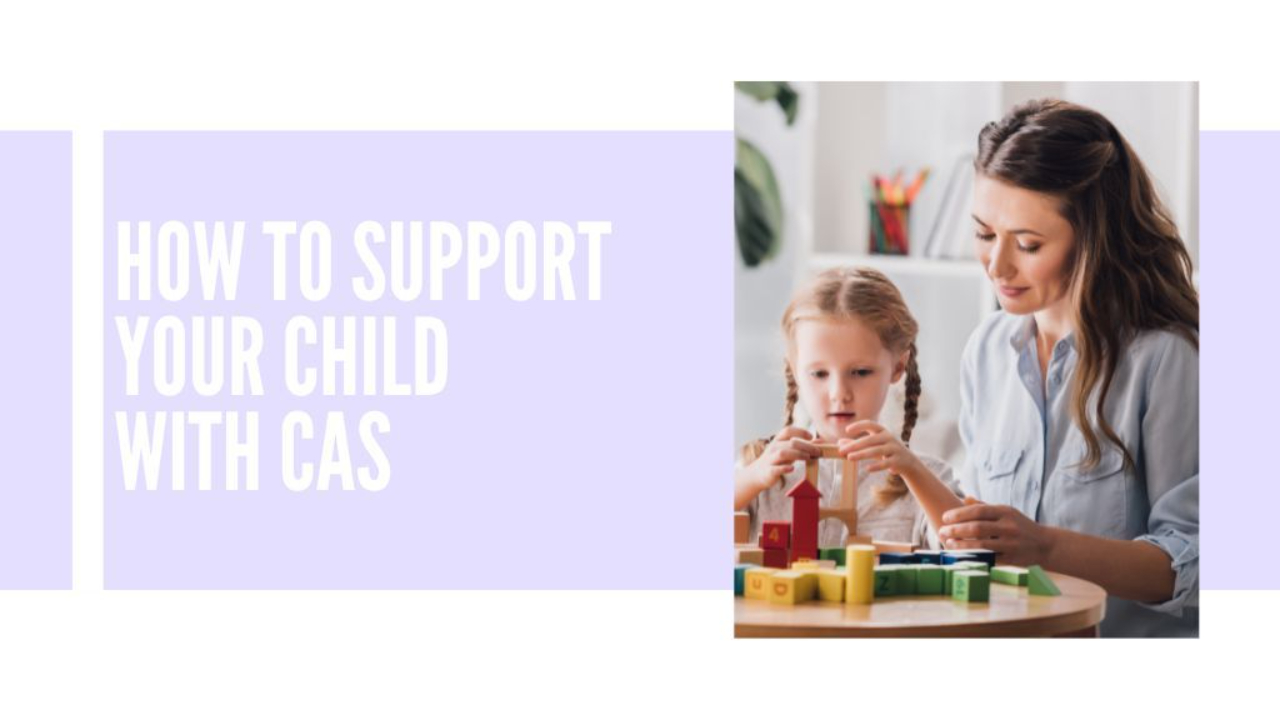
How to Support Your Child with CAS
Jun 16, 2026Practice is one of the most important elements of apraxia therapy. And this is where parents play a pivotal role!
Every child needs a different level of practice outside of therapy. But all children with CAS benefit from consistent, effective practice.
If you’re a parent who wants to support your child, this post will help you understand the important role you play and how to best help your child make meaningful progress outside the therapy room.
Can I help my child with Childhood Apraxia of Speech?
Parents are often the best person to help their child! You know them well and are deeply invested in their success.
While it can seem overwhelming to learn apraxia techniques at first, you can learn everything you need to know to help your child.
The best option for learning how to support your child is to be trained by their SLP. If your child attends in-person therapy, you can ask to observe and learn during a session. You can also ask your SLP to share quick video tutorials of specific techniques or cues.
If your child doesn’t currently see an apraxia therapist, you may want to consider tele-health sessions. I work with many children via Zoom, supporting their progress and train parents how to help.
You can be involved at all phases of apraxia therapy. When a child first begins, parents can work on following directions for cueing. This looks like practicing cues for “Open your mouth,” or “Round your lips.” This helps children learn cueing faster, which results in improved practice during therapy.
As your child begins to combine sounds into words, you can learn how to practice their target words at home.
More practice = faster progress.
It’s helpful to SLPs when parents can report back about which words their child wants to use and which words they’re struggling with in daily life.
How does apraxia therapy fit into a busy schedule?
Parents are busy. But helping your child with their apraxia therapy skills can fit into any schedule!
Typically, an SLP will break down the skills the parent needs to learn, teaching 1-2 skills at a time. You can go home and practice those skills with your child before learning new skills at the next session.
This scaffolded approach helps you learn slowly, mastering new skills in manageable chunks.
I generally recommend that parents practice with children at home for short increments of 5-10 minutes, twice a day. This is enough time to practice their target words without getting overwhelmed.
It’s important to take your child’s abilities and family obligations into consideration when planning at-home practice. Even 5 minutes of daily intentional, effective practice will help! This doesn’t need to become a burden or big time commitment.
How to practice apraxia therapy at home
Home practice should always be done with activities your child enjoys. Apraxia therapy requires many repetitions, so using toys with many pieces makes it easier to repeat.
Some of my favorite toys to use include:
- Animals
- Characters
- Little people
- Objects that represent any specific noun you’re targeting
Pro tip: Parents should always be in charge of the pieces to keep the child from playing during actual motor speech practice. This helps keep distractions to a minimum.
Home practice can be done anywhere, as long as the child can look at you for cueing. It’s typically harder to practice in the car or on the go, as there are more distractions and it’s difficult for your child to focus on your mouth for cueing purposes.
I recommend designating a specific, comfortable spot in your house for practice. You can also set aside a few special toys that your child only gets to play with during motor speech practice. This makes the opportunity to practice more exciting and inviting.
The apraxia techniques you practice with your child will be determined by their skills. You can always check in with their SLP if you have questions about how you’re practicing at home.
Next steps for parents
You want to support your child with CAS. And I want to help you!
There’s so much information floating around on the internet, so I created a course specifically for parents to teach you how to engage your child in meaningful motor speech practice.
The CAS Roadmap for Parents teaches you the techniques you need to accurately practice movement patterns.
This course is ideal for parents who want to support their child whether they are currently in apraxia therapy or not.
I’ll teach you how to:
- Provide multisensory cueing
- Engage your child in motor speech practice
- Use hand and sound cues
- Improve your practice with multiple therapy videos
Helping your child with CAS doesn’t have to be overwhelming.
Start with the CAS Roadmap for Parents and see just how easy and efficient at-home practice can be!
If you are interested in 1:1 coaching, please click here and I will send you more information.
Free Target Selection Handout for CAS
Learn how to choose target words for minimally verbal children, understand
multisensory cueing, and other do's and don'ts in apraxia therapy.
