
Blog
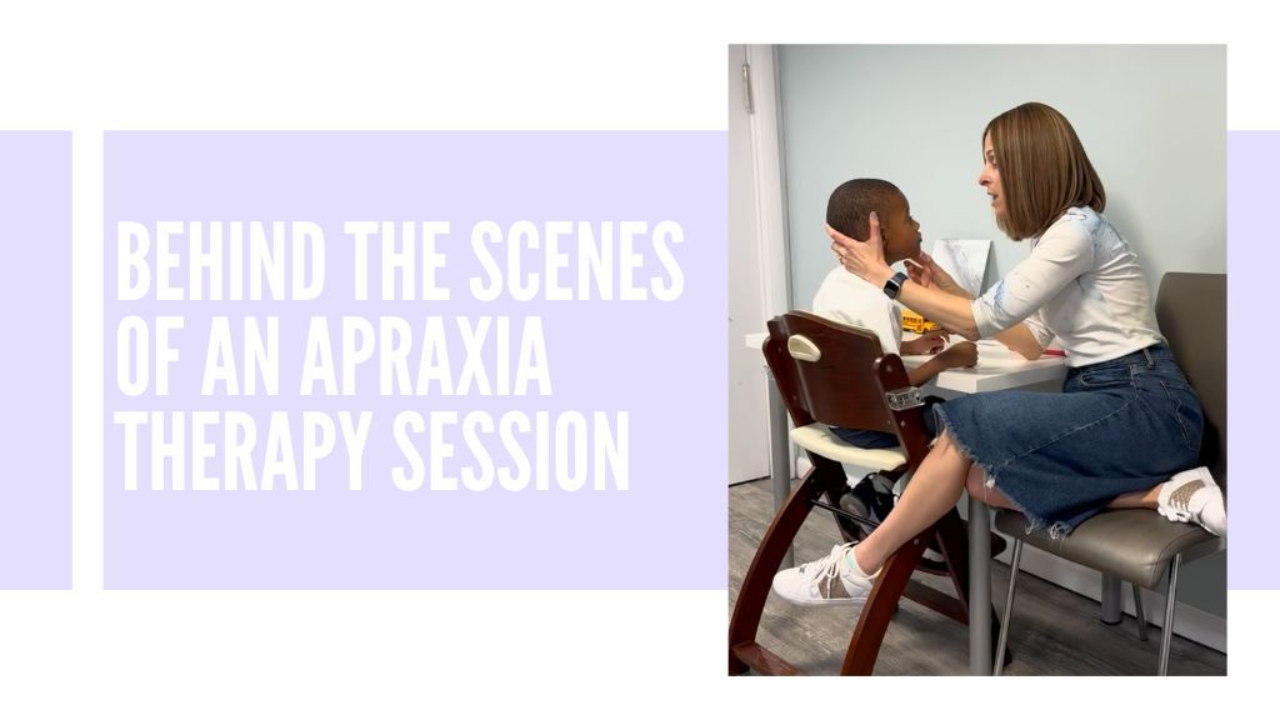
What does apraxia therapy look like?
Today, I’m taking you behind the scenes of a real apraxia therapy session to show you what we do, how to prepare, what toys and tools are helpful, and tips for engaging young children in apraxia therapy.
Whether you’re an SLP interested in supporting your cli...
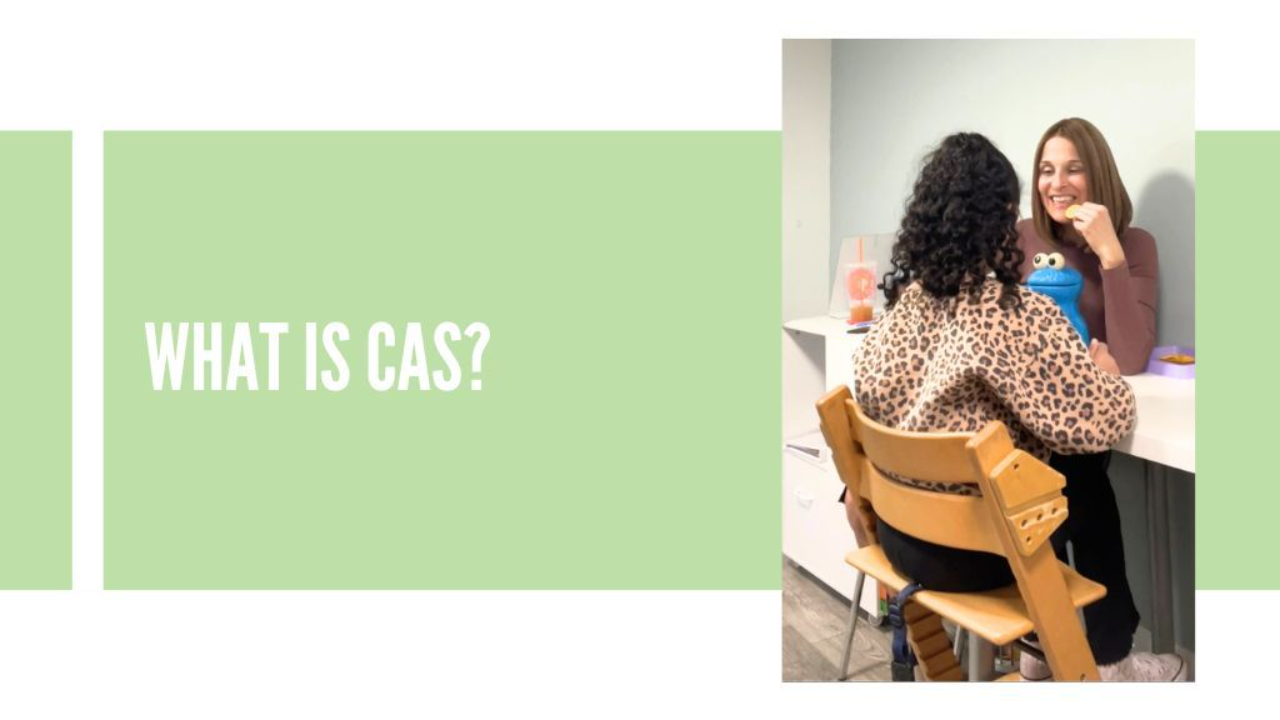
Childhood Apraxia of Speech (CAS) is a neurological motor speech disorder that affects a child’s ability to plan and program the movements of the mouth, tongue, and jaw needed to produce accurate speech sounds.
Because CAS is a motor speech disorder, treatment typically requires a motor-based appro...
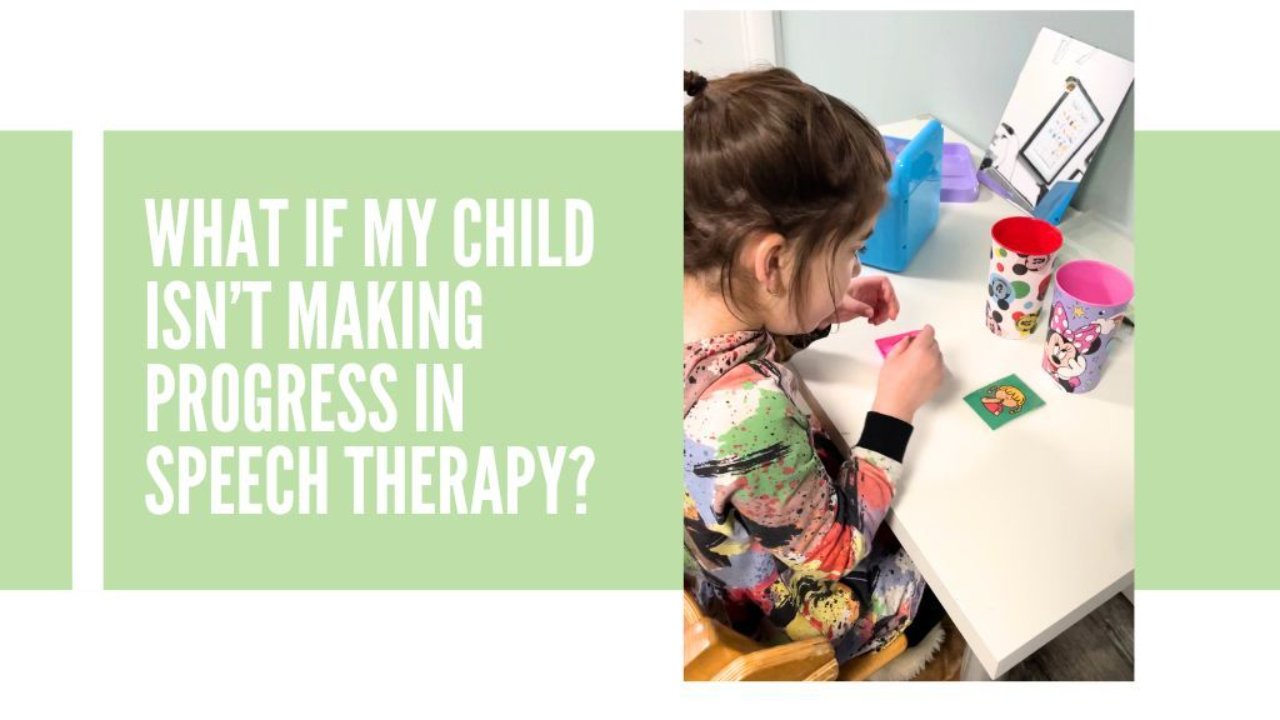
I receive many assessment inquiries from parents who are frustrated that their child is not making progress in speech therapy.
It is always a good idea to start by having a conversation with your child’s SLP to discuss your concerns. Ask the therapist if other treatments might be helpful and if ...
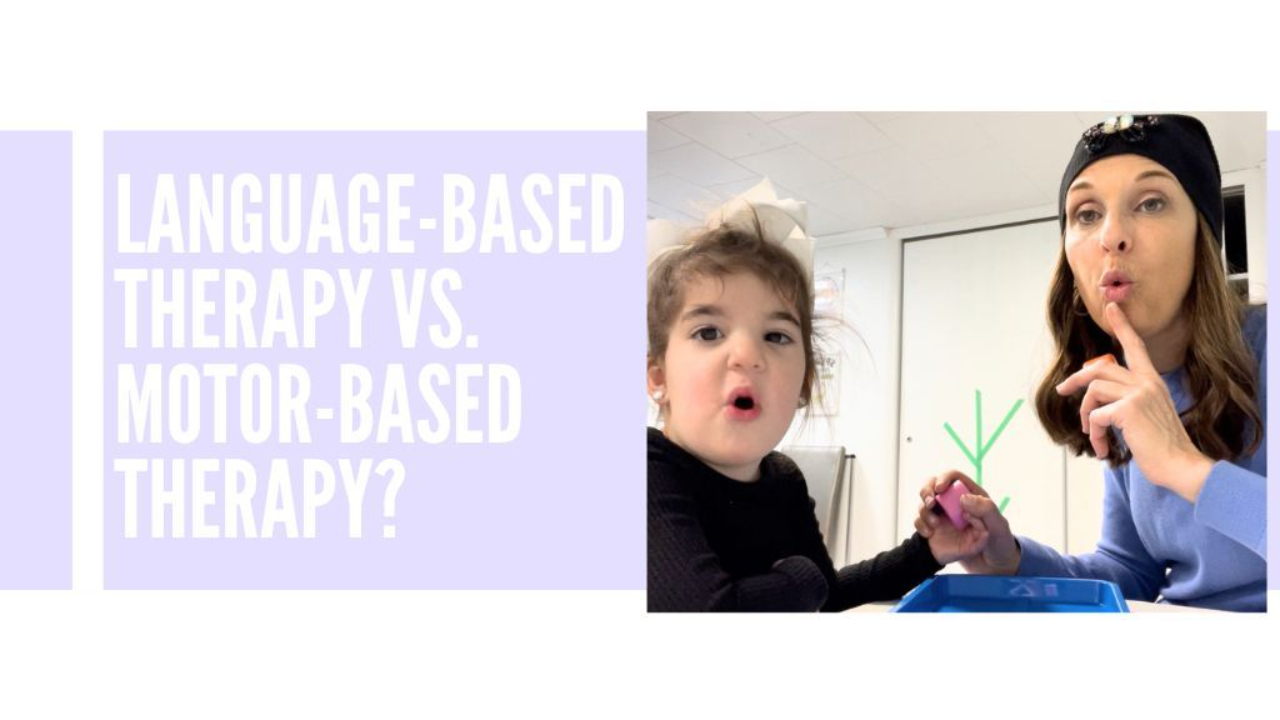
SLPs don’t just do one type of therapy.
Depending on the client’s needs and goals, there are different approaches we can use to help clients reach their goals and make meaningful progress.
Language-based therapy is typically the most common type of therapy used by SLPs, especially when working wi...

A frequently asked question in my DM's is, when can I start working on phrases?
In apraxia therapy, we look at building verbal communication skills through improving their speech motor planning skills. Therefore, it may be more advantageous to teach more single words then to work on phrases, as si...
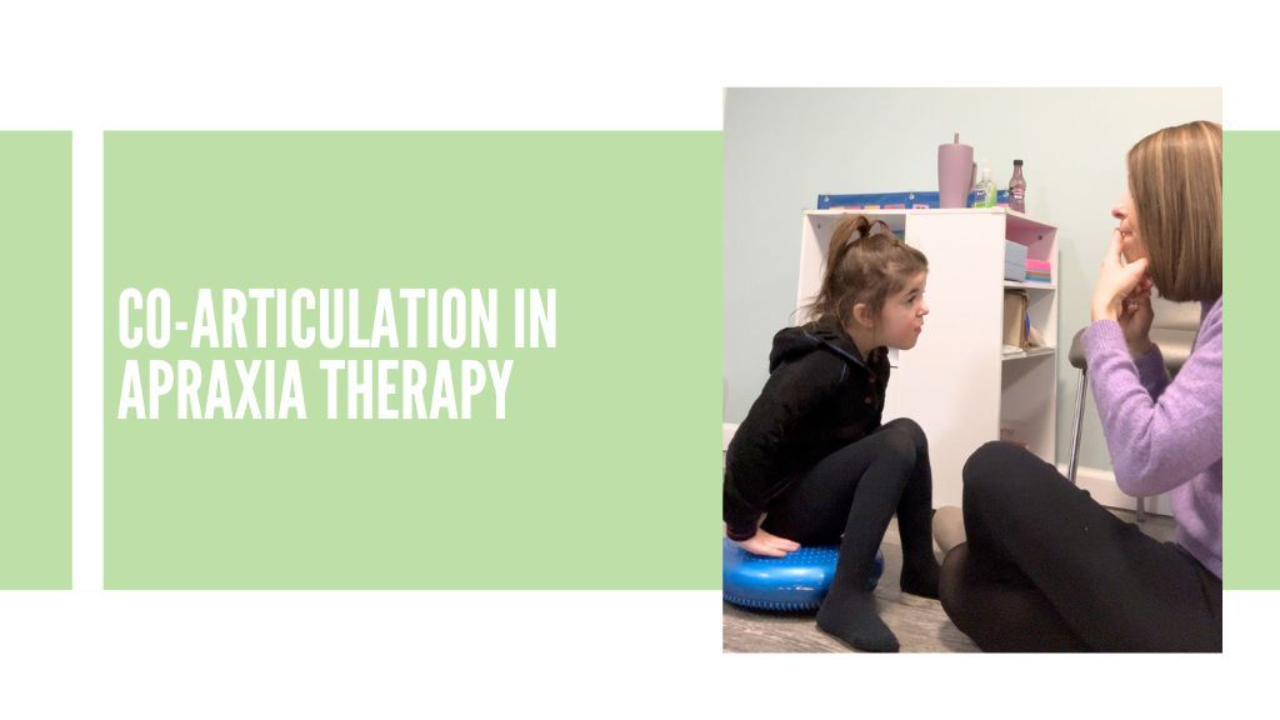
Co-articulation is a useful approach with children speech sound disorders. It is especially helpful for children with CAS as prosody errors are common.
Click here for a great handout!
Co-articulation Explained:
- Co-articulation refers to how a sound is influenced by neighboring sounds.
- Conside...

Rapport, the trust and connection you build between you as the SLP and the client (and their family!), is an extremely important part of apraxia therapy.
But it doesn't have to be overwhelming or complicated.
In this post, I'll share more about why rapport matters, how you can create a stronger...

So.....I was a guest on a podcast! I engaged in an informative discussion with Cara Tambellini Danielson from @caraspeech https://www.instagram.com/caraspeech/ on her podcast Early Education Matters with Cara Speech. The topic of the podcast is Suspected Childhood Apraxia of Speech in Early Interv...
Free Target Selection for CAS Handout!
Tips to help you choose target words for minimally verbal children.
What is multisensory cueing?
Do's and Don'ts in Apraxia therapy
SIGN UP HERE
